












From a Bedroom Sewing Machine to Base Camp: The Sea to Summit Story
There's a test most outdoor gear quietly fails. Not the lab test, not the retail photoshoot — the real test. The one where it's raining sideways, your pack weighs more than your will to continue, and you're asking everything you brought along to earn its weight.
Sea to Summit gear was built for that test. Literally.
The brand didn't start in a boardroom with a gap analysis and a target demographic. It started with a teenager in Perth, Australia, a secondhand sewing machine, and an idea that if you couldn't find the gear you needed, you should probably just make it yourself.
The Kid Who Made His Own Gear
In 1983, Roland Tyson was 17 years old and growing up in the rugged outdoors of Western Australia — hiking (or "bushwalking," as Australians call it), climbing, paddling, caving. He had a problem most outdoor enthusiasts know well: the gear available didn't quite do what he needed it to do. So he did what any reasonable 17-year-old apparently does in Perth: he sat down at an antique sewing machine and started designing his own.
He was good at it. Good enough to graduate to an industrial machine within a few years. Good enough that other Australian adventurers started asking him to make things for them. By 1986, he had turned the whole operation into a small business called Namche Bazaar — named after the famous Himalayan trading village that serves as a gateway to Everest. His first employees? His grandparents and his mother.
Roland kept pushing himself outside too. That's how he eventually crossed paths with Tim Macartney-Snape, one of the first two Australians to summit Mount Everest (without supplemental oxygen, if you want to be thorough about it). Tim had already proven he could reach the top of the world. But a comment from a friend at a pub one night planted a different idea in his head.
"You didn't really climb all of Everest if you didn't start at the sea."
The Trek That Named Everything
In February 1990, Tim Macartney-Snape waded into the Bay of Bengal and started walking. He would travel more than 700 miles overland through India, cross the border into Nepal, and keep climbing until he reached the summit of Mount Everest — entirely under his own power, from sea level, without bottled oxygen.
The gear he carried on that journey was made by Roland Tyson — custom bags, packs, organizational systems, all handcrafted in Australia and tested against the full range of environments the planet has to offer: tropical heat and humidity at sea level, alpine cold and wind at altitude, everything in between.
When Tim returned, the brand Sea to Summit was born — named in honor of the most complete ascent of Everest ever attempted. It's not just a catchy name. It's a founding philosophy: make gear that works everywhere, for everyone, from the flatlands to the heights.

In 1993, Roland was joined by Penny Sanderson, who came to the brand after six years at Australian Geographic. She and Roland began traveling together for months each year — climbing, sailing, trekking, overlanding, biking — testing every product in the wild and iterating constantly. That hands-on approach became Sea to Summit's signature. The brand grew into a global operation, but the commitment to real-world testing never left the DNA.
Today, Sea to Summit sells products in more than 73 countries, with offices in Australia, the United States, Germany, and China. They've won more awards across more categories than any other brand in the outdoor industry. And their global headquarters is still in Perth, Western Australia, where it all began.
What Sea to Summit Actually Makes
If you've spent any time in an outdoor gear store, you've probably held a Sea to Summit product without realizing it — the colorful stuff sacks, the sleek dry bags, the surprisingly compressible pillows. Their range is wide, but it's unified by a consistent philosophy: go lighter, go more comfortably, go further.
The product lineup covers nearly everything a camper, backpacker, traveler, or expedition adventurer might need:
- Dry storage — dry bags, stuff sacks, compression sacks, waterproof pouches
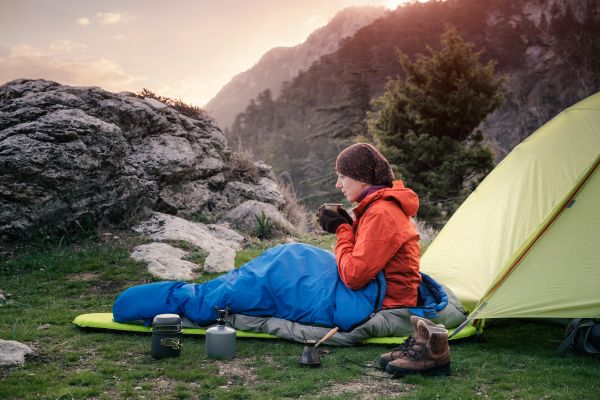
- Sleep systems — sleeping bags (synthetic and down), sleeping mats, camp pillows, bag liners
- Camp kitchen — collapsible cookware, utensils, bowls, mugs, water bottles
- Towels and personal care — quick-dry travel and camp towels
- Tents — from ultralight backpacking shelters to family-friendly freestanding options
- Travel accessories — packing cubes, toiletry bags, passport wallets, laundry solutions
It sounds like a lot because it is. But where a lot of brands go wide and lose depth, Sea to Summit tends to go wide and deep. Each category carries serious design thought and usually some proprietary technology that makes it genuinely better than whatever it replaced in your kit.
What's Worth Grabbing at Quest Outdoors
You don't have to be planning a trek from the Bay of Bengal to the Himalayan plateau to benefit from Sea to Summit gear. Here's what consistently earns its way into packs — whether those packs are headed to the Red River Gorge or the backcountry of New Zealand.
Ultra-Sil Dry Bags If there's one Sea to Summit product that every outdoorsperson should own — beginner to veteran — it's a dry bag. The Ultra-Sil line is made from a silicone-impregnated nylon fabric that is absurdly light for how tough it is. Toss your phone, your headlamp, your dry socks in one and stop worrying about that creek crossing. They come in multiple sizes and more colors than you probably need, but that just makes it easier to color-code your kit.
Aeros Premium Pillow Sleeping on the ground is one thing. Sleeping on the ground with your neck wrenched against a stuff sack is another. The Aeros Premium Pillow is the product that makes you say "why didn't I own this already?" — it inflates in seconds, packs down to almost nothing, and actually feels like a pillow. That last part matters more than it sounds after night three on the trail.
Comfort Plus Sleeping Mat Sea to Summit's sleeping mats are built around their proprietary Air Sprung Cells™ technology — essentially hundreds of small, interconnected cells that distribute weight and provide support in a way that a flat pad just can't replicate. The result is a mat that feels genuinely comfortable, not just "better than the ground." For car campers, it's luxurious. For backpackers, it's still packable enough to carry.
DryLite Towel The travel towel category used to mean a thin, scratchy square of microfiber that dried fast but felt like sandpaper. Sea to Summit rethought it. The DryLite towel is soft enough to actually use, dries quickly, resists odor well, and rolls up small. It works just as well at a campsite shower house as it does in a hostel bathroom in Southeast Asia. Available in several sizes — grab a medium and an extra-large and cover all your bases.
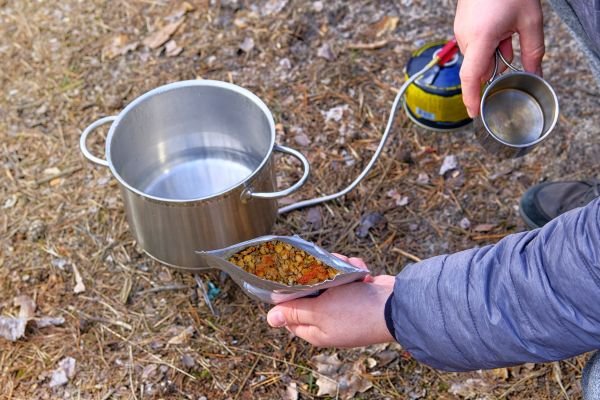
X-Series Cookware Collapsible camp cookware has a reputation for being flimsy, leaky, or awkward to cook in. The X-Series has quietly earned a different reputation by being none of those things. The pots, bowls, mugs, and cups are made from BPA-free materials, handle real heat, and collapse flat when not in use. They nest beautifully together for storage. The long-handled spork that often gets paired with them is the kind of small detail that makes you question every plastic gas station utensil you've ever used.
Spark and Basecamp Sleeping Bags Whether you're looking for an ultralight bag for summer backpacking or a well-insulated option for three-season camping, Sea to Summit's sleeping bag lineup delivers. The Spark series is built for weight-conscious backpackers; the Basecamp line is designed for car campers and anyone who wants to sleep warmer without worrying about grams. Both use RDS-certified down and bluesign®-approved fabrics — so they're warm and cleanly made.
Gear That Doesn't Need a Story to Tell
Here's the thing about great outdoor gear: after a while, you stop noticing it. That's the point. The dry bag just keeps your stuff dry. The sleeping mat just means you wake up without a sore back. The towel just dries out by morning.
Sea to Summit has been at this long enough, and seriously enough, that most of their products have reached that level of unremarkable reliability — which is the highest compliment you can give something you depend on in the field. The origin story is great. The Everest trek is a genuinely remarkable thing that a human being did. But the reason Roland Tyson's antique sewing machine eventually became a brand in 73 countries is simpler than any expedition: the gear just works.
All of it is available right here at Quest Outdoors. Come take a look, ask us what we've used, and find the pieces that belong in your kit.
Shop Sea to Summit at Quest Outdoors →
Have a Sea to Summit product you swear by? Tag us on Instagram @QuestOutdoors and show us where it's been.