






























Leave No Trace: The Outdoor Ethic That Keeps Adventure Wild
If you love the outdoors, chances are you’ve heard the phrase “Leave No Trace.” It shows up on trail signs, park websites, and ranger talks. Sometimes it sounds like a rulebook. Sometimes it sounds like a scolding.
At its heart, though, Leave No Trace isn’t about rules. It’s about respect. Respect for the places we explore, the people who come after us, and the simple idea that wild places should stay wild.
At Quest Outdoors, we’re big fans of adventure that lasts. Leave No Trace helps make sure the trails, rivers, campsites, and backcountry we love today are still here tomorrow.
So let’s break it down in plain English.
What Is Leave No Trace?
Leave No Trace (LNT) is a set of outdoor ethics designed to minimize human impact on natural spaces. It applies whether you’re backpacking deep in the wilderness, car camping with the family, or taking a quick hike at your local park.
The philosophy is built around seven core principles, developed by the Leave No Trace Center for Outdoor Ethics. Together, they offer practical guidance for enjoying the outdoors responsibly without draining the fun out of it.
Think of LNT as good trail manners. You don’t need to be perfect. You just need to be thoughtful.
Why Leave No Trace Matters More Than Ever
Outdoor recreation is booming. More people are hiking, camping, paddling, and exploring than ever before. That’s great news. It also means trails wear out faster, campsites get crowded, and wildlife feels more pressure.
Small impacts add up. One shortcut becomes a new trail. One forgotten snack wrapper becomes a habit. Leave No Trace helps prevent those small moments from turning into permanent damage.
The good news? Most LNT practices are easy, intuitive, and make your trip better anyway.
The 7 Principles of Leave No Trace
1. Plan Ahead and Prepare
Good trips start before you leave the house. Planning ahead helps prevent emergencies, reduces environmental impact, and keeps stress low.
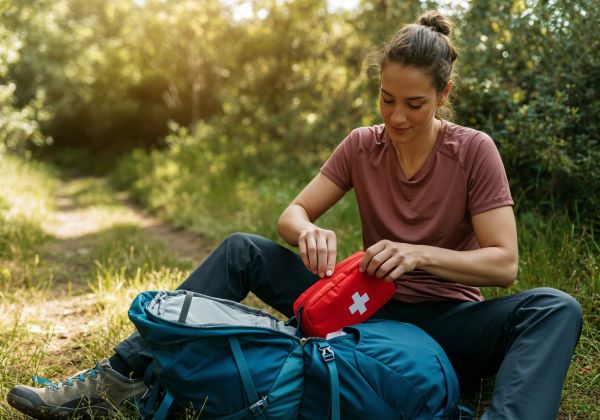
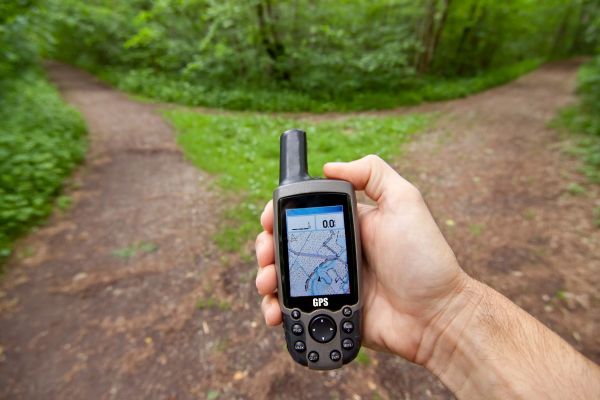
Check weather forecasts. Know the rules of the area you’re visiting. Bring the right gear for the conditions and your skill level. When you’re prepared, you’re less likely to cut corners that damage trails or put yourself at risk.
Bonus benefit: better planning usually means more fun and fewer “we forgot the headlamp” moments.
2. Travel and Camp on Durable Surfaces
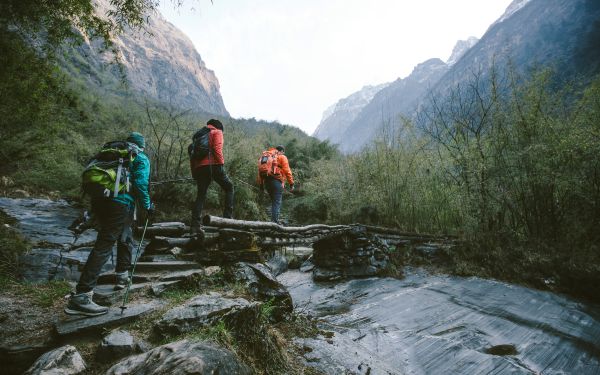
Trails exist for a reason. Stick to them. Walking off-trail, especially in fragile environments, damages plants and causes erosion.
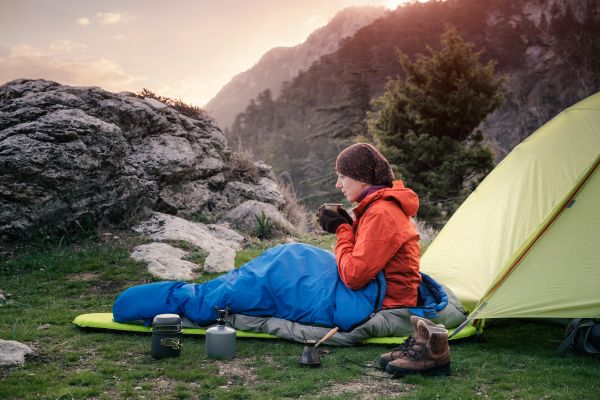
When camping, use established campsites whenever possible. In more remote areas, choose durable surfaces like rock, gravel, or dry grass.
If it looks untouched, let it stay that way.
3. Dispose of Waste Properly
This one’s simple, but it’s the backbone of Leave No Trace.
-
Pack it in, pack it out
-
Dispose of trash, leftover food, and litter properly
-
Use restroom facilities when available
-
When they’re not, follow proper backcountry bathroom practices
Yes, this includes food scraps. Orange peels and apple cores don’t belong on the trail, even if they seem “natural.”
4. Leave What You Find
Cool rock? Leave it. Interesting antler? Leave it. Wildflowers? Definitely leave them.
Natural objects play a role in the ecosystem, even if they look like souvenirs. Taking them changes the landscape and the experience for others.
Photos last longer anyway.
5. Minimize Campfire Impacts
Campfires are cozy and classic, but they also leave a lasting mark.
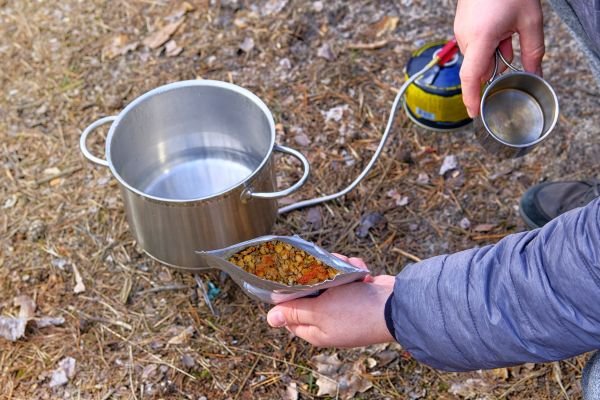
Use established fire rings where fires are allowed. Keep fires small. Burn only dead and downed wood, or better yet, use a camp stove when possible.
In many areas, skipping the fire entirely is the most Leave No Trace choice and often the easiest one too.
6. Respect Wildlife
Wild animals are not props, pets, or photo opportunities.
Observe wildlife from a distance. Never feed animals. Secure your food properly so critters don’t associate humans with snacks.
Respecting wildlife keeps them wild and keeps you safer too.
7. Be Considerate of Other Visitors
Everyone is out there for their own version of adventure. Leave No Trace includes being a good human.
Yield on trails. Keep noise levels reasonable. Control pets. Share the space.
A little courtesy goes a long way toward making the outdoors welcoming for everyone.
Leave No Trace Is for Everyone
One common myth is that Leave No Trace only applies to hardcore backpackers deep in the wilderness. Not true.
LNT matters:
-
At local parks
-
On family camping trips
-
While fishing, paddling, or biking
-
Even at trailheads and picnic areas
If you’re outdoors, Leave No Trace applies.
Teaching Leave No Trace to Kids
Kids are natural explorers, which makes them great candidates for learning LNT early. Keep it simple.
Frame it as:
-
“We take care of this place”
-
“Let’s leave it better than we found it”
-
“Other people get to enjoy this too”
Make it a game. Celebrate small wins. Kids who grow up with Leave No Trace values tend to carry them for life.
Leave No Trace and the Quest Mindset
At Quest Outdoors, we believe adventure and responsibility go hand in hand. The goal isn’t to limit fun. It’s to protect the places that make fun possible.
Leave No Trace doesn’t ask you to stop exploring. It asks you to explore with intention.
Pack well. Tread lightly. Help the outdoors stay outdoors.
Because the best adventures are the ones that leave only footprints and take home stories.