























Winter at the Parklands
Cold air, quiet trails, and a whole new way to love Louisville’s backyard
If you’ve only visited The Parklands of Floyds Fork when everything is green and buzzing, winter might surprise you. The crowds thin out, the trails get quieter, and the whole place takes on a peaceful, almost secretive feel. Winter at the Parklands isn’t about braving the elements. It’s about slowing down, layering up, and seeing a familiar place with fresh eyes.
Stretching across nearly 4,000 acres in eastern Louisville, the Parklands remain open year-round, and winter is one of the most underrated times to explore them. No bugs. No humidity. No fighting for parking. Just crisp air, open views, and plenty of room to roam.
Why Winter Is a Great Time to Go
Winter strips the Parklands down to their essentials. Without thick foliage, you notice things you might miss in summer: the shape of the land, the curves of Floyds Fork, the way light moves through bare trees. Wildlife is often easier to spot too. Deer, birds, and even the occasional fox stand out against the quieter landscape.
Trails are typically less busy, which makes winter ideal for reflective walks, photography, or introducing kids to hiking without distractions. It’s also a great season for anyone easing into outdoor activity. Cooler temperatures make longer walks more comfortable, even if you’re not in peak hiking shape.
What You Can Do in the Parklands During Winter
You won’t find sled hills here, but winter still offers plenty to do:
Hiking and Walking
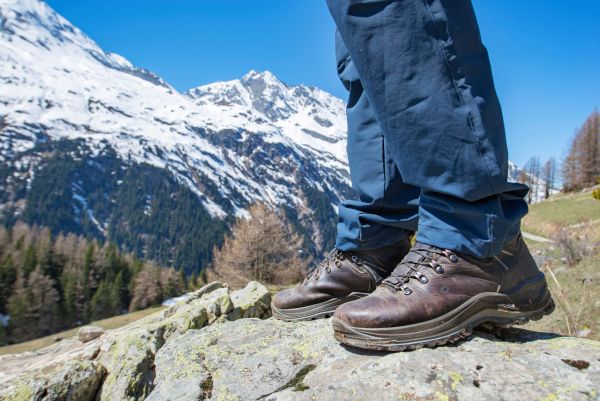
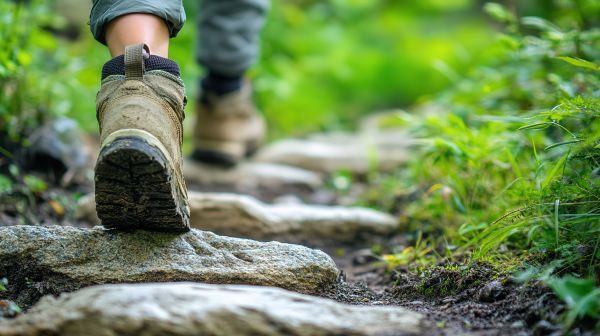
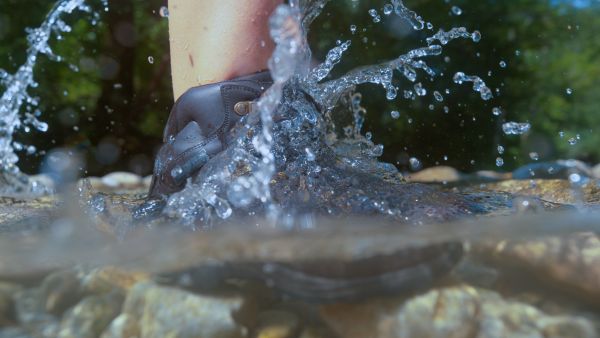
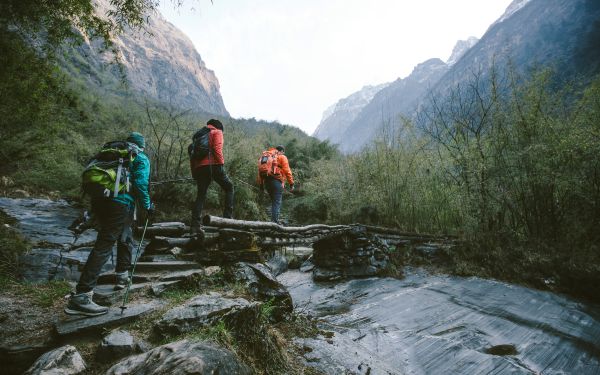
All major trail systems remain open, weather permitting. Paved paths are great for casual walks or strollers, while unpaved trails offer a little more adventure. After rain or snowmelt, expect mud in places. Waterproof shoes go a long way here.
Biking
Cold air makes for excellent riding conditions. Just watch for frost or leaves on shaded paths. Fat-tire bikes handle winter conditions especially well.
Birdwatching and Wildlife Spotting
Winter is prime birding season. With fewer leaves, birds are easier to see, and migratory species often pass through. Bring binoculars and take your time.
Photography
Winter light is softer and more dramatic. Early mornings and late afternoons can be stunning, especially near the water or open meadows.
Just Being Outside
Sometimes the goal is simply to move, breathe, and reset. Winter walks count. They always do.
What to Wear and Bring
Winter at the Parklands is more about comfort than survival, but a little preparation makes all the difference.
-
Layered clothing you can adjust as you warm up
-
A wind-resistant outer layer
-
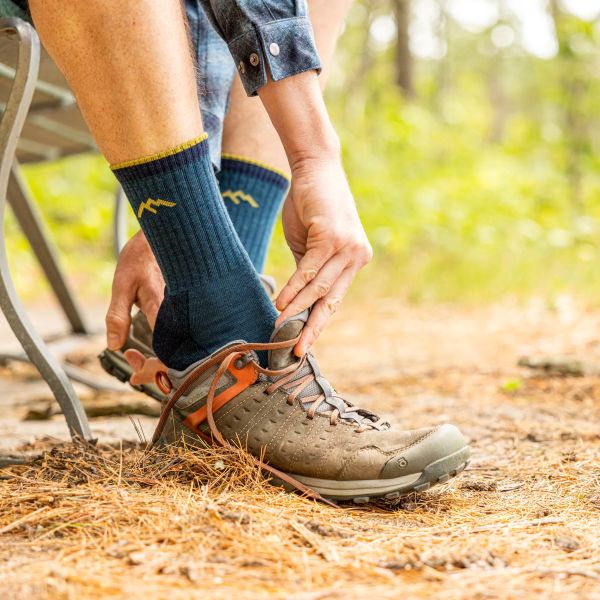
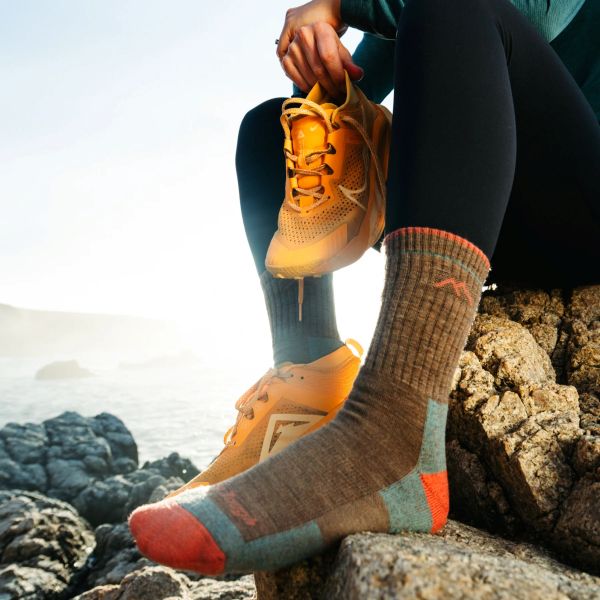
Waterproof or water-resistant footwear
-
Gloves and a hat, even on mild days
-
A reusable water bottle. Yes, even in winter
If you’re walking dogs or kids, toss in an extra pair of socks in the car. You’ll thank yourself later.
A Few Winter Tips
-
Check trail conditions after heavy rain or snow
-
Stick to paved paths if things are icy
-
Shorter daylight means planning ahead. Sunset comes fast
-
Leave no trace, even when the ground looks dormant
Make It a Winter Habit
One of the best things about the Parklands is how accessible they are. You don’t need a full day or special gear to enjoy them. A 30-minute walk after work or a quiet weekend loop can do wonders for your mood and energy levels.
Winter has a way of reminding us that the outdoors doesn’t shut down. It just changes its tone.
If you’d like maps, trail updates, seasonal programs, or details about specific park areas, the official Parklands site is a great resource at theparklands.org.
So zip up, step outside, and rediscover the Parklands in their calmest season. We’ll see you out there.
A Few of Our Favorite Spots
Beckley Creek Park in Winter
Why It’s Great in Winter
Beckley Creek Park is the Parklands’ front porch, and winter is when it feels most relaxed. With open meadows, wide paved paths, and easy access, this is a perfect starting point for cold-weather walks.
In winter, the Big Four Bridge crowds disappear from your life, and Beckley Creek becomes a place to wander without urgency. The tree canopy thins, opening up long sightlines across the park and down toward Floyds Fork.
Winter Activities Here
-
Flat, paved walking paths for all abilities
-
Wildlife watching near the creek
-
Photography around open fields and bridges
Quest Tip
This is a great park for introducing kids or hesitant hikers to winter walking. No technical terrain, no pressure. Just movement and fresh air.
Pope Lick Park in Winter
Why It’s Great in Winter
Pope Lick Park leans quieter and more wooded, which makes winter especially appealing. Without dense leaves, the forest feels open but still intimate. You hear the creek before you see it, and the stillness feels intentional.
This is a park for people who want to slow down and notice small things.
Winter Activities Here
-
Peaceful hiking on natural-surface trails
-
Birdwatching in wooded corridors
-
Creek-side wandering after dry weather
Quest Tip
After rain or snowmelt, trails can be muddy. Waterproof footwear turns a potential annoyance into a non-issue.
Turkey Run Park in Winter
Why It’s Great in Winter
Turkey Run Park shines in winter because of its long paved stretches and gentle terrain. It’s ideal for walking, biking, or even light jogging when temperatures drop.
With fewer users on the trail, winter riding here feels spacious and unhurried.
Winter Activities Here
-
Cold-weather cycling
-
Long-distance winter walks
-
Easy access points for short outings
Quest Tip
Watch shaded areas for frost early in the morning. A little caution goes a long way.
Broad Run Park in Winter
Why It’s Great in Winter
Broad Run is one of the quieter corners of the Parklands, and winter turns that volume knob even lower. Open fields, gentle trails, and fewer visitors make it a favorite for reflective walks and wildlife spotting.
This park feels wide and patient, especially on gray winter days.
Winter Activities Here
-
Solitary walks and nature observation
-
Wildlife tracking after light snow
-
Low-traffic trails for mindful movement
Quest Tip
Bring binoculars. Winter wildlife stands out against dormant grass and bare trees.
The Strand & Floyds Fork Access Areas in Winter
Why It’s Great in Winter
The Strand connects multiple park sections along Floyds Fork, and winter reveals the river’s personality. Water levels change, banks become visible, and the whole corridor feels more dramatic and raw.
It’s a reminder that this landscape is always moving, even when it looks still.
Winter Activities Here
-
Scenic walking along the water
-
Photography of river bends and light
-
Quiet exploration between park sections
Quest Tip
Cold air plus moving water means wind. A good outer layer matters more here than anywhere else.